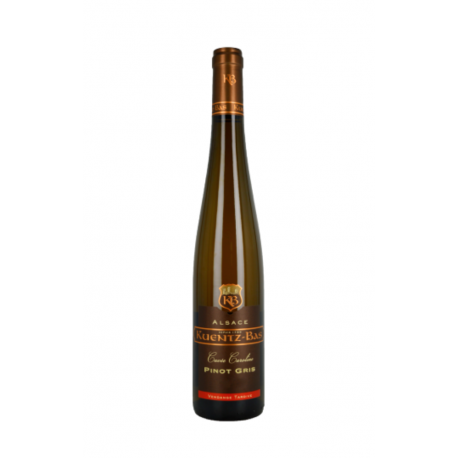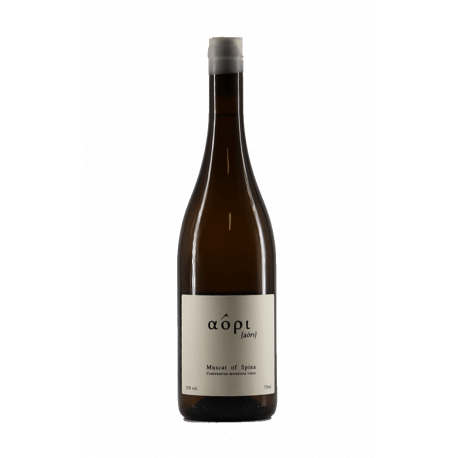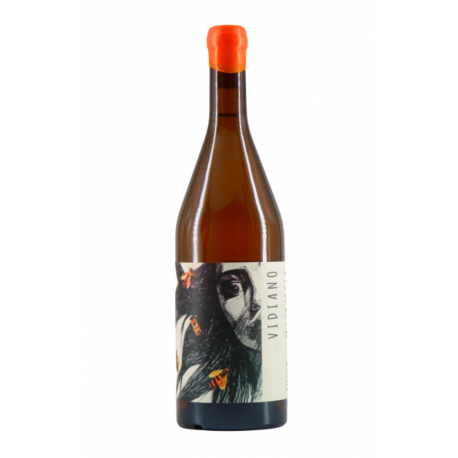
Marsannay is the northernmost part of one of the world’s most prestigious wine-growing regions, the renowned Côte de Nuits. And while the Côte de Nuits is primarily a source of red wines, Marsannay is the village that stands out for both the white and rosé wines it produces, part of the appellation d’origine contrôlée. This particular vineyard, with its...
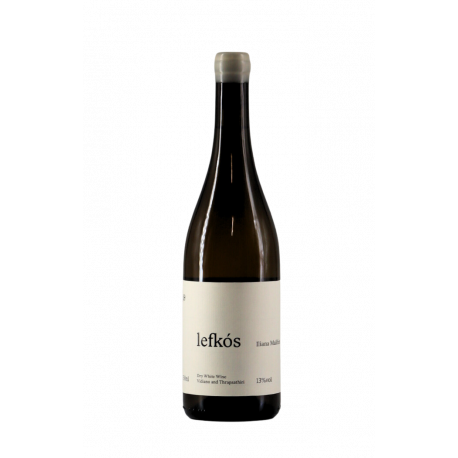
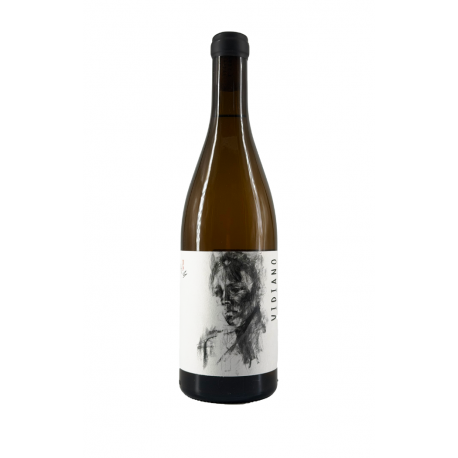
Moinoterra's Vilana comes from a single vineyard at 500 metres altitude. And while in the fertile lowland parts of Crete and with management leading to high yields, the wines will lose their character by being watery and with little flavour, mountainous steep dry vineyards on poorer soils will give weight and concentration. At the vinification level after...
Un 1er Cru en Bourgogne est toujours une affaire très sérieuse, et Grésigny, situé dans la partie sud-ouest de Rully, compte parmi les meilleurs climats classés 1er Cru de l’appellation pour le Chardonnay. Grâce à une viticulture biologique et biodynamique et au soin attentif de Pierre de Benoist, la santé de ce vignoble de 80 ans est remarquable. Le...
Les Margotes 1er cru is one of the winery's new additions, following its investment in the Rully vineyards, and has a southeast exposure. It was vinified for the first time in 2015. For Les Margotes, Pierre uses oak foudres, both in the vinification and in the maturation of the wine, which lasts a total of 18 months. The selection of whole bunches...
This amazing piece of land is located just 5 minutes from the winery and is one of the oldest Malbec vineyards in the world. The vineyard is beautiful, difficult to cultivate and prune, with no room for tractors and requiring a lot of manual labor. After the harvest, the bunches are removed from the stems, sorted, and then placed in concrete tanks for...
Given that the use of the term "naturel" is prohibited in the regulations governing appellation contrôlée, back in 2007, the producers of Montlouis-sur-Loire managed to create the pétillant-originel category for these very wines (pét-nat) and became the first appellation in France to essentially legislate this particular style. The production method is...
Peppery, structured, with robust tannins, the "Key of Sol" is another stunning wine with reference to Damien and Coralie's musical roots, always the start of a musical piece, but also the first wine made by the winery, their own start. A blend of 60% Côt and 40% Cabernet Franc which are vinified separately in concrete tanks. The harvest for Côt from the...
Ronceray is a wonderful step-up in complexity and intensity from the simple, but also beautiful" Anjou Blanc from Chateau de Plaisance. Harvesting on the Chaume hill is manual and after a gentle cold pressing of the grapes, fermentation takes place with indigenous yeasts. 30% of the wine is matured in Burgundy barrels for 12 months and the barreled part...
A natural Roditis wine sourced from organic permaculture vineyards at an altitude of 90 meters, with limestone and clay soils. The grapes are harvested by hand, followed by destemming and maceration with the stems for approximately 2 days in a stainless steel tank. The must is transferred to a stainless steel tank, where fermentation is completed with...
Pata trava is a Xynomavro made using direct pressing to prevent it from taking on color, and it represents a unique expression of the variety’s natural vinification from the Ligas winery. Based on its winemaking technique, it is a rosé, but it is actually closer in character to a skin-contact orange wine, made without any intervention whatsoever. A golden...
Antigonisme is a natural white wine of the blanc de noirs style made from Moschomavro grapes from the Liga estate, sourced from organic permaculture vineyards at an altitude of 100 meters, with limestone and clay soils. The grapes are harvested by hand, followed by destemming and a brief maceration for 3 hours in a stainless steel tank, following the...
Lamda Assyrtiko is produced from 16-year-old vines planted in limestone and clay soils at an altitude of 100 meters, facing north-south, on 1.8-meter-high trellises. Harvesting is done by hand, and fermentation begins with skin contact for 7 days in stainless steel tanks at 16–18°C. The final must is transferred to a stainless steel tank to complete...