The grapes of the different varieties are harvested and vinified together for as long as it takes, having first ripened to perfection with the help of the winery's most meticulous attention to cultivation. With no additions or interventions during vinification, Complantation is the ultimate expression of the Alsace terroir. Calm, complete and ripe on the...
"Le Chatillons" is produced from vineyards in soils characterised mainly by gravel. The Pinot Gris is harvested early in order to preserve the freshness of the grapes. The nose "blooms" with a bouquet of crisp red fruits, rose petals and citrus fruits reminiscent of saguarine. Very elegant and soft on the palate, with lively fruit acidity and spicy notes...
For La Stropa the grape drying process is masterful, full of detail and without the use of technology. Strictly selected and healthy grapes are left for about 3 months in small wooden crates which are placed on top of each other in a well-ventilated and cool environment on the roof of the winery. From there on, fermentation in oak tanks is spontaneous and...
Traditional Burgundian cellar approach, with partial fermentation of whole bunches in oak fermenters for 14 days. This is followed by maturation in barrels from 1 to 5 years old, for a total of 12 months. Concentrated on the nose, which offers complex notes of red cherries, plum and game, while the palate is powerful and quite full-bodied but with...
The Vajra family avoid a more fancy or modern version of the variety that would mean new barrique in plenty, leaving their classic Barbera to rest solely on stainless steel tanks. And even though it remains a wine with toned alcohol, strength and intensity, the wonderful fruit of the variety shines on through clearly and reminds of wild cherries and...
Let Vostylidi, Moschatela and Muscat "calm down" in the bottle and enjoy the balanced character of orange Roditis. A wine that has beautiful complexity, with characteristic aromas of roasted orange peel and watercress with a spicy hint of fresh ginger, refreshing acidity on the palate and solid but not wild tannins on a herbal-medicinal finish. The wine...
Such a special wine could only have an equally special name. The name Metagitnion refers to the second month of the Attic calendar (roughly late July to late August). Its almost orange colour is the result of slow oxidative ageing in old barrels without the protection offered by sulphites at any stage of the process. Dry, with aromas of honey and candied...
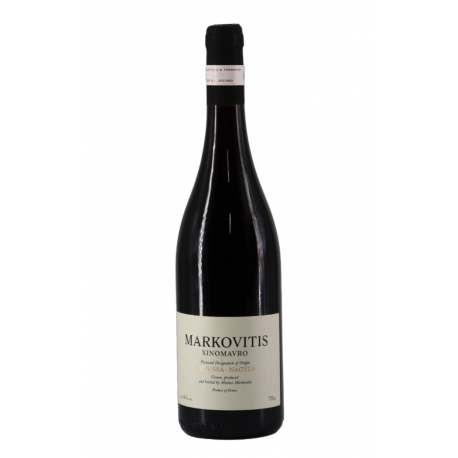
With blanc de noir vinification the image of red Xinomavro changes completely, producing a different style of wine. After the grapes are destemmed, a very gentle crushing of the grapes follows, with only 30% of free-flowing juice being quickly removed to avoid picking up pigments or other phenolic elements of the grapes. Fermentation is slow, spontaneous...
Chardonnay Nature comes from a 4-acre organic, non-irrigated vineyard with northern exposure, at an altitude of 810 meters in the mountainous region of Aegialia. The vinification follows a classic white approach, using only free-run juice and minimal intervention. Alcoholic fermentation takes place with indigenous yeasts at 16–18 °C and is followed by...
Sauvignon Blanc Nature comes from 8 acres of vineyards at an altitude of 1,050 m, with 20-year-old vines planted in a cup-shaped formation. Spontaneous fermentation at low temperature and six months of aging in 1,500 L French foudre barrels lend deeper complexity and texture, seeking to balance the explosive acidity that sweeps across the palate. At every...